
CCOI continuing education is the recertification engine of the credentialing program. Each of the 30 operator credentials draws from a defined subset of this catalog — foundational, operational, regulatory, ethics, specialist, senior, executive — every module hour-counted, citation-anchored, and recorded against the designee's permanent record.
Every CCOI credential carries a recertification requirement — expressed in continuing-education units — that must be satisfied within the 24-month window from issue. Each module in the catalog cites its regulatory anchors, declares the credentials it serves, and posts CEU credit to the designee's record within 24 hours of completion.
Every CE module is timed and verified through engagement-tracking with an end-of-module assessment. CEU credit is awarded only on assessment passage and posts to the designee's record within 24 hours.
Every CE module cites at least one regulatory or operational source — DCC, CDPH, CDTFA, Cal/OSHA, IRS, or named operational standard — with version and effective date. Citations refresh on regulation change.
CEUs earned for one credential may satisfy the recertification requirements of others by published equivalency. Every tile in this catalog shows which credentials it satisfies.
Required before a worker is granted premises access. The pre-access set is the floor-readiness baseline: security awareness, basic regulatory framework, age-verification protocol, and the workplace conduct expectations Cal/OSHA and CCPA require to be documented. Applies to every CCOI credential.
Entry-level role practice for California cannabis's largest labor segments. Pairs with the Tier I credentials — the delivery driver behind the wheel, the trimmer at the table, the technician on the line, the packaging tech on the floor, the warehouse tech at the dock.
The operational backbone of each Tier II credential. Every module is regulation-cited and updated on a published refresh cycle. Operators using the Education Suite assign these to new hires on a per-role basis.
For compliance officers, DRPs, CFOs, and senior operators. These modules go beyond operational protocol into the legal, audit, and enforcement-response domains that licensees-of-record and senior management must master.
A minimum of two ethics CEUs are required of every credential at each recertification. The Institute also publishes a rolling set of advanced-practice modules that contribute toward recertification and signal continued professional growth. Applies to every CCOI credential.
Narrow but deep modules layered on top of a Tier II operational credential. Specialist designees take the corresponding module as the recertification anchor of their specialty — the IPM expert's IPM module, the extraction technician's extraction-engineering module, the QA reviewer's COA-review practice.
Multi-team, multi-site leadership practice. The head grower runs three rooms, the dispensary GM runs the P&L, the production manager runs two extraction lines. These modules anchor the Tier IV credentials' recertification cycle.
The most comprehensive modules in the catalog, anchored to the Tier V executive credentials. The DRP signs the license; the CFO signs the tax return; both need annual recertification depth that the operational tiers don't.
CCOI Operator licensees assign CE pathways to workers by role, with automatic recertification calendaring, hour-by-hour engagement tracking, and one-click export to DCC, CDPH, CDTFA, and Cal/OSHA inspection formats. Every CE hour completed posts to the designee's permanent record and to the operator's workforce dashboard simultaneously.

The first credential every California cannabis professional should hold. Before you touch a tag, sell a unit, or sign a manifest, you'll command the vocabulary, the regulatory map, and the product lifecycle that every operational decision after this rests on.
California cannabis has matured past the point where on-the-job orientation is enough. DCC inspectors expect a baseline of regulatory literacy from every credentialed worker; operators expect new hires to ramp in days, not weeks. The professionals who walk in already speaking the language — B&P, CCR, MAUCRSA, license-type taxonomy — close that gap before their first shift ends.
A new co-worker asks why your operation's products test under a different rule than the dispensary across town. You already know: the cultivator side runs under CDFA-aligned cultivation regs; the manufacturer under CDPH. You explain it in 30 seconds.
The inspector mentions a CCR section by number. You don't need it translated — you know which division and what it governs. The inspector's expectation of the rest of the visit recalibrates upward.
Someone proposes a workflow that would cross a Type 10 / Type 13 boundary. You catch it because you know what each license can and can't do without prompting. The conversation moves on with the right plan.
A supplier offers a deal that sounds clean until you ask which testing rule it cleared and which license the seller holds. The gaps surface in one question, and you flag it to your lead before a non-compliant lot ever touches the shelf.
Every new hire to a California cannabis licensee, regardless of role. Required under the CCOI Pre-Access Gate before any worker is granted premises badge. The credential is also the natural starting point for non-cannabis professionals (HR, finance, security, IT) transitioning into a cannabis operation and needing the regulatory baseline fast.
Multiple-choice and short-scenario items spanning the four state regulators, the license-type catalog, the product lifecycle, and core terminology. Remote-proctored, on-demand, with identity verification at start.
This is the first line of your CCOI record — the credential that tells hiring managers, regulators, and insurers that you arrive ready. It counts toward recertification of every CCOI credential you go on to earn, which means the work you do here compounds into every senior credential above it.
Built onB&P §26000 et seq. (MAUCRSA) · CCR Title 4 Division 19 · DCC published guidance · CDPH MCSB framework
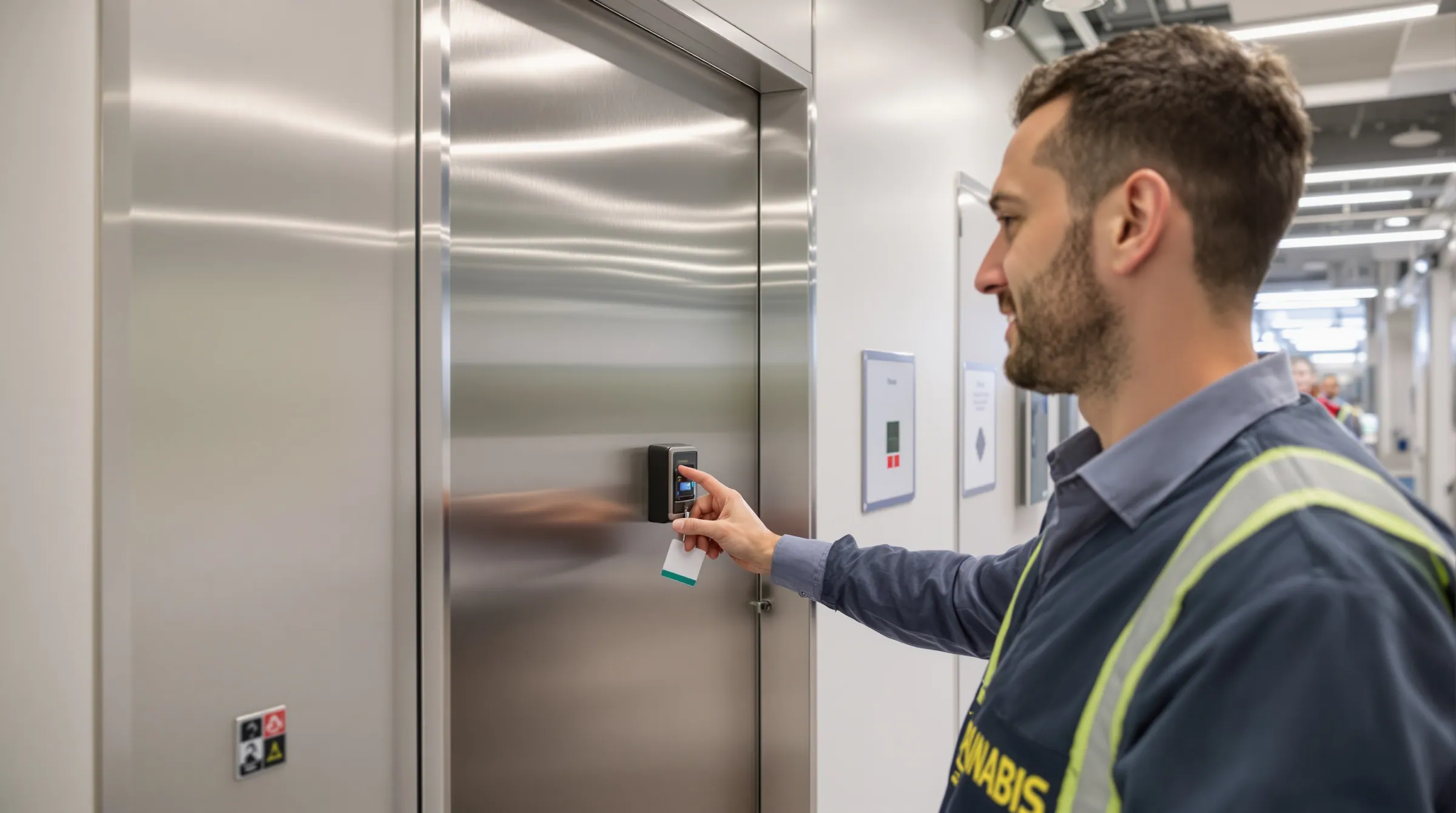
A California cannabis premises is one of the most regulated physical spaces an employee will ever work in. Cameras, alarms, badge-in logs, restricted-area boundaries — this credential makes you the kind of worker who navigates that environment without supervision, on day one.
Security findings are the leading cause of non-product-related DCC enforcement action in California. Unlocked doors, unescorted visitors, gaps in the camera coverage map, missing log entries — every one of them turns a routine inspection into a notice. Insurance carriers are pricing premiums against documented security training. The workforce that quietly knows the rules costs an operator far less than the one that doesn't.
A delivery driver wants access to the vault to pick up a return. You know the visitor protocol cold — ID logged, escort assigned, no entry to limited-access without sign-off. The handoff happens without friction or non-compliance.
A coverage gap appears on the back-door camera. You recognize it before anyone else does, report immediately, document the gap and duration. The incident report writes itself.
Someone wedges open a restricted-area door for "two minutes" while they grab something. You know that single door-prop event is a reportable security lapse and a finding waiting to happen. You speak up.
The monitoring company phones at 2am about a perimeter trip. You know the verification steps, who has authority to respond, and what gets logged before anyone enters — so a false alarm stays a non-event and a real one gets the right people moving.
Every employee with premises access — from the budtender who badges into the retail floor each morning to the lead cultivator who runs the back gates of an outdoor grow. Required by the CCOI Pre-Access Gate before badge issuance. Also a foundational module for in-house security personnel and third-party guards who serve cannabis licensees.
Scenario-driven assessment covering access control, restricted-area discipline, surveillance and alarm fundamentals, and incident response. Remote-proctored.
You become the kind of new hire an operator's compliance officer doesn't need to chaperone through the security walkthrough. That trust translates into faster ramp, earlier independent shifts, and the kind of professional reputation that travels — because the next operator you work for will see this credential on your CCOI record before they ever interview you.
Built onCCR §15044 (premises security) · §15045 (alarms) · §15046 (surveillance) · local jurisdiction supplements

California already requires this training of every employee. CCOI takes the regulatory floor and lifts it — framing the work for cannabis-floor reality, where the customer-facing humor, the after-hours hangout, and the close-quarters teamwork all create the conditions this law was written for.
SB-1343 made this training mandatory for every California employee, supervisor or not, every two years. Cannabis operators are inspected on it and audited on it; insurance carriers underwrite against it; a single substantiated complaint reshapes a license file. The teams that internalize this material instead of clicking through it are the ones that don't end up in the case examples for the next round of training.
A coworker makes a remark that lands wrong. You recognize it for what it is, know your bystander obligation, and know the lowest-temperature way to address it before the room normalizes the conduct.
A regular at the counter says something inappropriate to a budtender. You know exactly which response protocols are operator-approved and which are personal — and which records have to be made before the shift ends.
A direct report comes to you with a concern. You know what triggers your reporting duty, what doesn't, and how to protect them from retaliation through the response. The operator's documented program holds.
HR asks who on the crew still owes their SB-1343 training before the deadline. You know your own completion is current and on file, so the operator's compliance roster closes clean and you're never the open line on the audit.
Every California employee — SB-1343 is universal. The CCOI version is specifically scenario-built for cannabis-industry settings: retail floor, cultivation crew, manufacturing line, delivery vehicle. New hires take it within six months; designees recertify every two years to maintain CCOI good standing alongside the legal requirement.
Scenario-driven assessment covering harassment definitions, bystander response, reporting paths, operator obligations, and retaliation protections. Satisfies California's mandated training when delivered by an approved provider.
You become a professional an operator can promote with confidence. Every supervisor track, every shift-lead role, every HR-adjacent responsibility in the cannabis industry starts with someone who's serious about this material. Holding the credential signals that seriousness on a public, verifiable record that every prospective employer can check.
Built onGovernment Code §12950.1 (AB-1825 / SB-1343) · FEHA · DFEH (Civil Rights Department) guidance · EEOC interpretive framework

Every cannabis retailer collects regulated personal data — IDs, purchase histories, delivery addresses, loyalty profiles. CCPA (as amended by CPRA) turns that data into a legal asset. This credential makes you the worker who handles it correctly without thinking about it.
The California Privacy Protection Agency is now an active enforcement body with its own auditors. Cannabis retailers are squarely in scope, and the data they collect — ID images, address, purchase history, loyalty data — is exactly the category CPPA is examining first. Operators caught flat-footed face administrative fines that compound per record. The teams trained on this material catch the data missteps before an enforcement letter arrives.
You know it's a "right to know" request. You know the timeline you're now on, what fields qualify, and which manager owns the response. No friction, no compliance gap.
An internal team asks for a customer-segmentation pull to share with a third-party agency. You recognize the consent question instantly and route the request to the privacy manager before it becomes an enforcement matter.
A team member's device with customer data on it goes missing. You know the breach-evaluation steps, the timeline pressure, and what gets escalated immediately versus tracked internally first.
A customer asks to be erased from the loyalty system. You know which records you can delete, which the operator must legally retain for METRC and tax purposes, and how to honor the request without breaking a recordkeeping rule.
Every employee handling customer data: retail floor staff, delivery drivers, call-center personnel, loyalty-program operators, anyone with database access. Required for CCOI-BUD; recommended foundation for any CCOI candidate at a retail or delivery operator.
Scenario-based items covering personal-information classification, consumer rights requests, retention limits, prohibited uses, and breach response. Remote-proctored.
You become the worker an operator promotes to a privacy-program owner role. As CPPA enforcement intensifies, designated privacy contacts inside cannabis operators are getting harder to find and easier to pay well. The credential that gets you in that conversation starts here.
Built onCalifornia Civil Code §1798.100 et seq. (CCPA as amended by CPRA) · CPPA enforcement regulations · California Attorney General guidance

METRC is the single most-watched compliance surface in California cannabis. The operators who run it cleanly look untouchable to DCC inspectors; the ones who don't accumulate violations that compound into license action. This credential makes you the worker who runs it cleanly — in any role that touches a tag.
Every regulated package in California — from harvest tag to point-of-sale receipt — lives in METRC. DCC compliance staff query the system before, during, and after every inspection. Insurance underwriters now ask operators "how many of your team are METRC-credentialed?" and price premiums against the answer. Hiring managers won't interview a candidate who can't pass a 10-minute METRC walkthrough. METRC literacy is the entry token for almost every operational role above the floor.
The compliance officer hands the inspector a manifest binder and walks them through the METRC log on demand. You can pull any package's history in 30 seconds without searching. The visit goes faster than the inspector expected.
The GM sets a fictional discrepancy in front of you and asks you to walk them through the right move. You do, with the same confidence you'd use closing your own till. The interview ends with an offer.
An end-of-day count comes up short. You know exactly which queries to run, which records to pull, and which workflow most likely produced the gap — before anyone even asks you to look into it.
A coworker is about to apply a plant tag to the wrong batch in a hurry. You catch the mismatch before the entry saves, because you know a bad tag now becomes an untraceable package and a finding three months from now.
The people who actually move regulated product in California — the retail associate running POS, the inventory controller closing the day, the distributor coordinator confirming a transfer, the manufacturer recording a batch breakdown. The foundation for CCOI-MO and a recertification credit for CCOI-BUD, CCOI-IC, and CCOI-DC.
Package construction in worked exercises, sale recording against scenario receipts, audit-trail interpretation, and discrepancy classification. Sandbox environment for the practical portion.
CCOI-credentialed METRC operators are easier to hire, harder to lose, and increasingly the prerequisite for the operational roles California cannabis pays best for. The credential follows you to your next employer, signals to insurance and audit underwriters that your work product holds up, and gives DCC inspectors the fastest answer to the question they always start with: who here is trained, and where is the proof?
Built onCCR §15048 (track-and-trace) · DCC METRC user guides · METRC published training materials · DCC enforcement framework

Every operator's METRC has variances. The difference between a clean operator and one with a thick enforcement file is the workflow for catching, investigating, and correcting them. This credential makes you the person who runs that workflow with the documented discipline an inspector wants to see.
METRC reconciliation is the practice that turns an "audit nightmare" into a "boring inspection." A small uncorrected discrepancy compounds into a reportable event under §15048(g); a documented good-faith investigation usually closes the same issue without a finding. Operators are paying premiums for workers who run reconciliation with discipline, because the alternative — cleanup work, attorney time, NOA exposure — costs them ten times more.
Six packages come up short, four come up long. You build the reconciliation report by Tuesday with cause classification on every line and a corrective-action queue ready for the operations team.
A variance crosses the §15048(g) threshold. You know it, you know the clock that just started, and you have the documentation ready to attach to the report. The operator's exposure is contained before counsel even reviews.
Same lot, same cause, third month in a row. You recognize the pattern, build the preventive-action plan, and the variance stops appearing. The CAPA log shows the closure.
A junior operator zeroes out a package with a generic "other" reason. You correct it to the right cause code before the close, because you know an unexplained adjustment is exactly what an auditor circles first.
The people responsible for METRC accuracy: METRC operators, inventory controllers, and compliance officers reviewing discrepancy reports. The natural next step after CE-201 and required content for CCOI-MO recertification.
Worked-example discrepancy investigations, classification exercises, reportable-event decision-tree application, and CAPA narrative construction. Proctored.
This is the credential that separates a competent METRC user from the person an operator promotes to lead compliance. Reconciliation discipline is what insurance carriers credit, what investors diligence, and what regulators believe in. Carrying this on your CCOI record changes the conversation on your next compensation review.
Built onCCR §15048 (reconciliation requirements) · B&P §26160 (records retention) · DCC enforcement framework · ANSI/ISO 17024 examination methodology

Every California cannabis transaction begins with age verification, and every refusal of sale creates the floor's sharpest liability moment. This credential trains the eye, the hand, and the script for both — so the budtender behind the counter is the kind of professional an operator never loses sleep over.
Underage decoy operations are routine in California, and an underage-sale finding is one of the few violations that can put a retail license under suspension within the same enforcement cycle. The flip side is also real: refusal-of-sale decisions made wrong (or made loudly) create civil exposure of a different kind. This credential trains the discipline that survives both.
The lamination is wrong; the hologram is wrong; the customer's behavior matches the pattern. You ask the right two questions, refuse cleanly, log the event, and the next customer in line doesn't see any drama.
A twenty-something with valid ID is clearly buying for someone outside. You recognize the third-party signal, deploy the script that closes the loophole, and the operator's license file stays clean.
A DCC compliance check sends an underage decoy through. Your verification habit catches it the same way it catches every other underage attempt. The check-up turns into a non-event.
A medicinal patient presents a physician's recommendation that lapsed last week. You catch the date, explain the adult-use path and limit instead, and the sale proceeds correctly without turning the patient away empty-handed.
Retail floor staff — budtenders, delivery drivers, anyone whose role includes the gateway transaction. Required for CCOI-BUD. Compliance officers tracking refusal-of-sale events and operators auditing front-of-house performance also rely on this credential's framework.
ID-recognition photo items, scenario-based refusal exercises, medical-patient flow, and third-party-purchase pattern recognition. Includes role-play assessments through audio prompts.
This is the credential operators look for first when filling shift-lead, key-holder, and high-volume floor roles. The skill on the line every minute the doors are open is the skill that decides whether the operator keeps their license; carrying CE-203 says you take that responsibility seriously and have the documented record to prove it.
Built onB&P §26140 (sale restrictions) · CCR §15407 (retail sale standards) · local jurisdiction supplements · California Department of Public Health medical-cannabis program guidance
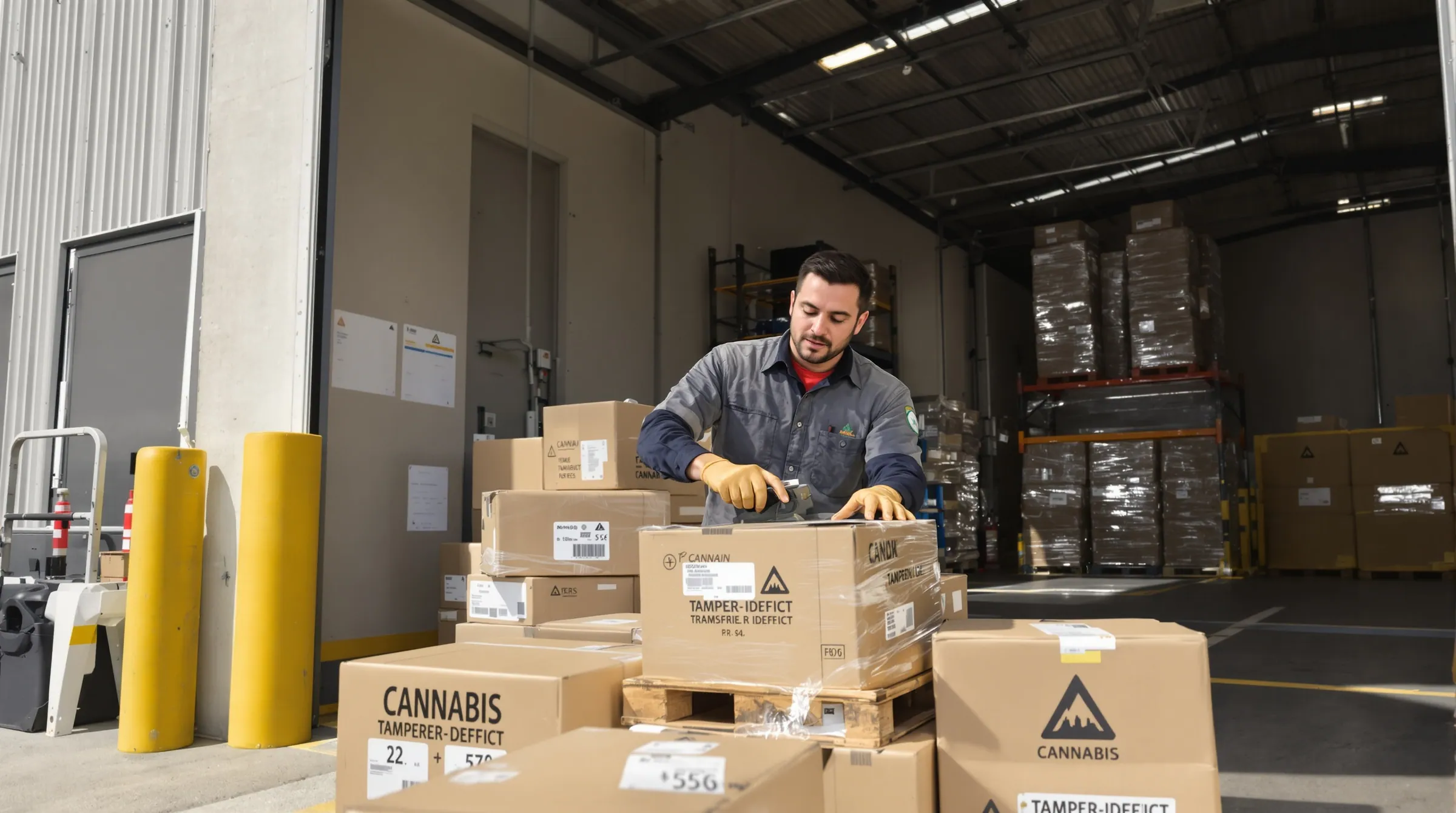
Every movement of regulated cannabis between licensed locations rides on a manifest. The manifest is the legal record of who handed off what, to whom, at what time, in what condition. This credential makes you the professional whose manifests survive every roadside stop, receiving-end variance, and post-hoc audit they'll ever face.
California distribution is the regulatory pinch point for the whole supply chain. CHP and DCC both run unannounced roadside inspections; receiving-end discrepancies generate the most expensive disputes between licensees; the documentation that survives audit is the manifest, not the conversation that preceded it. The distribution professionals who write manifests like a contract are the ones operators promote.
CHP pulls the truck for a routine check. Driver hands the inspector everything they need, in the order they expect it. The truck rolls again in twelve minutes.
A retailer's count comes up one unit short on a shipment of pre-rolls. You work through the receiving protocol, document the variance, and the case closes within the day without an escalation to compliance counsel.
A retailer returns a batch that failed re-test. You build the return manifest, sequence the destruction with the lab, and the entire reversal is captured in METRC and in paper inside 48 hours.
A driver calls in sick and a second has to finish the run. You amend the manifest to reflect the new transporter and vehicle before the truck moves again, so the chain of custody never shows a gap a regulator could question.
Distribution coordinators (primary audience), METRC operators on the originating or receiving end, and compliance officers tracking inter-facility transfers. Required for CCOI-DC; counts toward recertification for CCOI-MO and CCOI-CO.
Worked manifest construction exercises, pre-departure-check scenarios, roadside-encounter Q&A simulations, and receiving-end variance investigations.
California distribution is consolidating and the operators that survive are paying premium wages for coordinators who can run the documentation discipline cleanly. CCOI-DC is the credential they recognize; CE-204 is the module inside it where the work actually shows. Carrying this is what gets you the corner of the warehouse with your name on the door.
Built onCCR §15311 (cannabis transportation) · §15312 (transport vehicles) · §15313 (manifest) · DCC roadside inspection framework
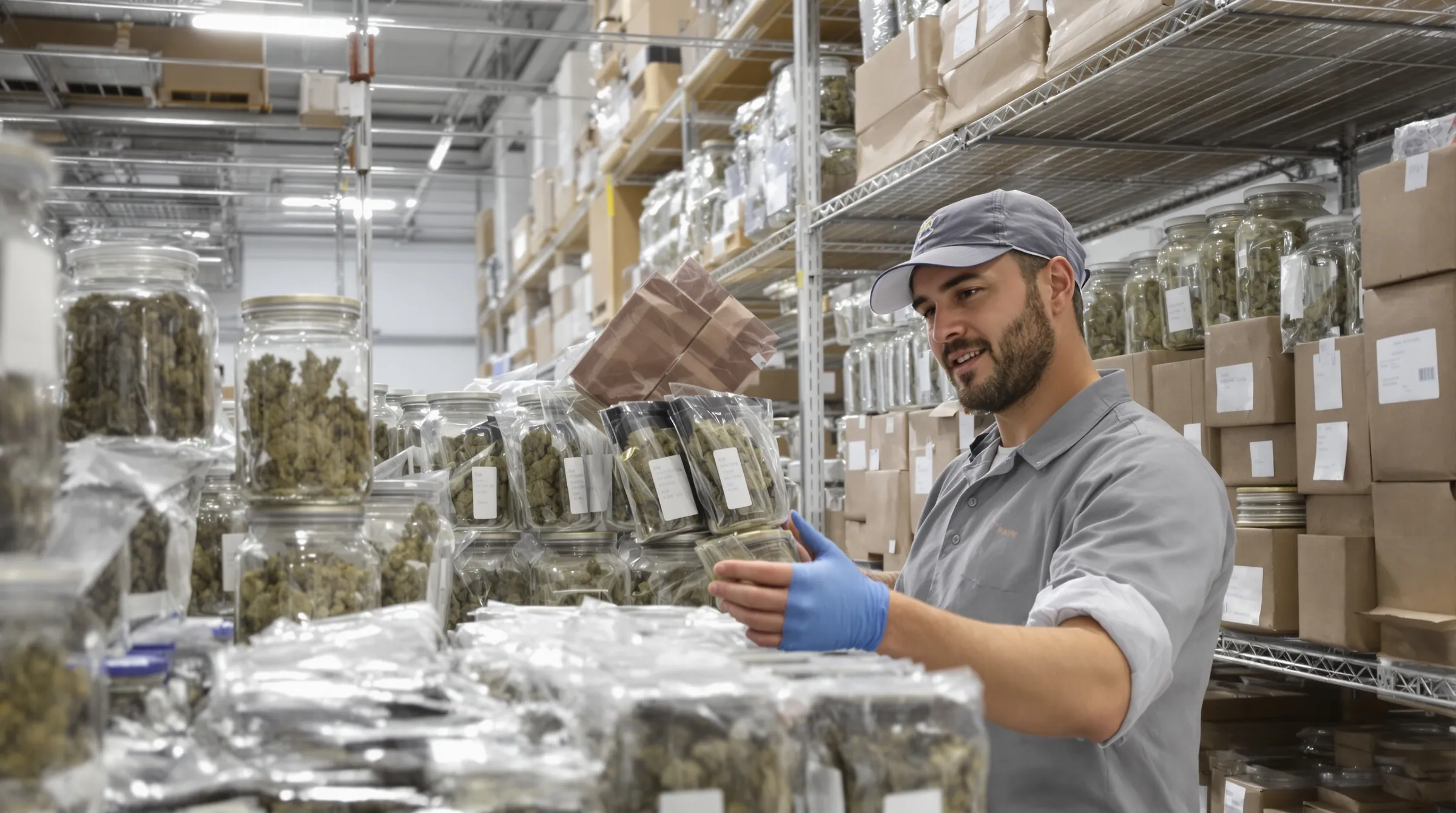
Inventory discrepancies are the leading indicator of every operational failure that ends in a DCC inquiry — diversion, mis-recording, theft, mishandling. The cure is a disciplined cycle-count practice that catches small variances before they compound. This credential trains the inventory controller's daily, weekly, and monthly habit.
Every senior compliance officer in California knows the same truth: inventory discipline is the leading indicator on every operational metric that matters. The operations with low variance close inspections faster, lose less to shrink, defend better against diversion allegations, and pay lower insurance. The inventory controllers who can document that discipline are the ones operators don't lose.
Every variance is classified, every classification has a remediation owner, and the variance report goes to the GM with the next month's preventive-action plan already attached.
An inspector asks to see the last six months of cycle counts. You produce them in five minutes, signed, indexed, with variance investigations cross-linked. The auditor moves on to the next checklist item.
Three months of micro-shorts in the same SKU. You catch the pattern, build the preventive-action plan, the count restores to baseline next cycle. No diversion finding; no internal investigation needed.
The GM asks for an unscheduled count of the high-value vault SKUs before a board meeting. Your cadence means the standing records are already current, so you reconcile to the unit in under an hour and hand over a clean number.
Inventory controllers as the primary audience — the role this credential is built for. Also relevant for any METRC operator who modifies quantities, lead retail staff who close down the floor, and compliance officers who review inventory records. Required for CCOI-IC.
Cycle-count simulation exercises, cadence-design scenarios, variance-classification practice, and audit-record construction.
CCOI-IC is one of the most undervalued credentials in California cannabis — and one of the most career-defining. Operators are starting to realize that the inventory controller's discipline shows up everywhere on the balance sheet, and the wages are catching up. This credential is the proof you've been doing the work that makes the difference.
Built onCCR §15050 (inventory standards) · B&P §26160 (records retention) · DCC inspection guidance on inventory records
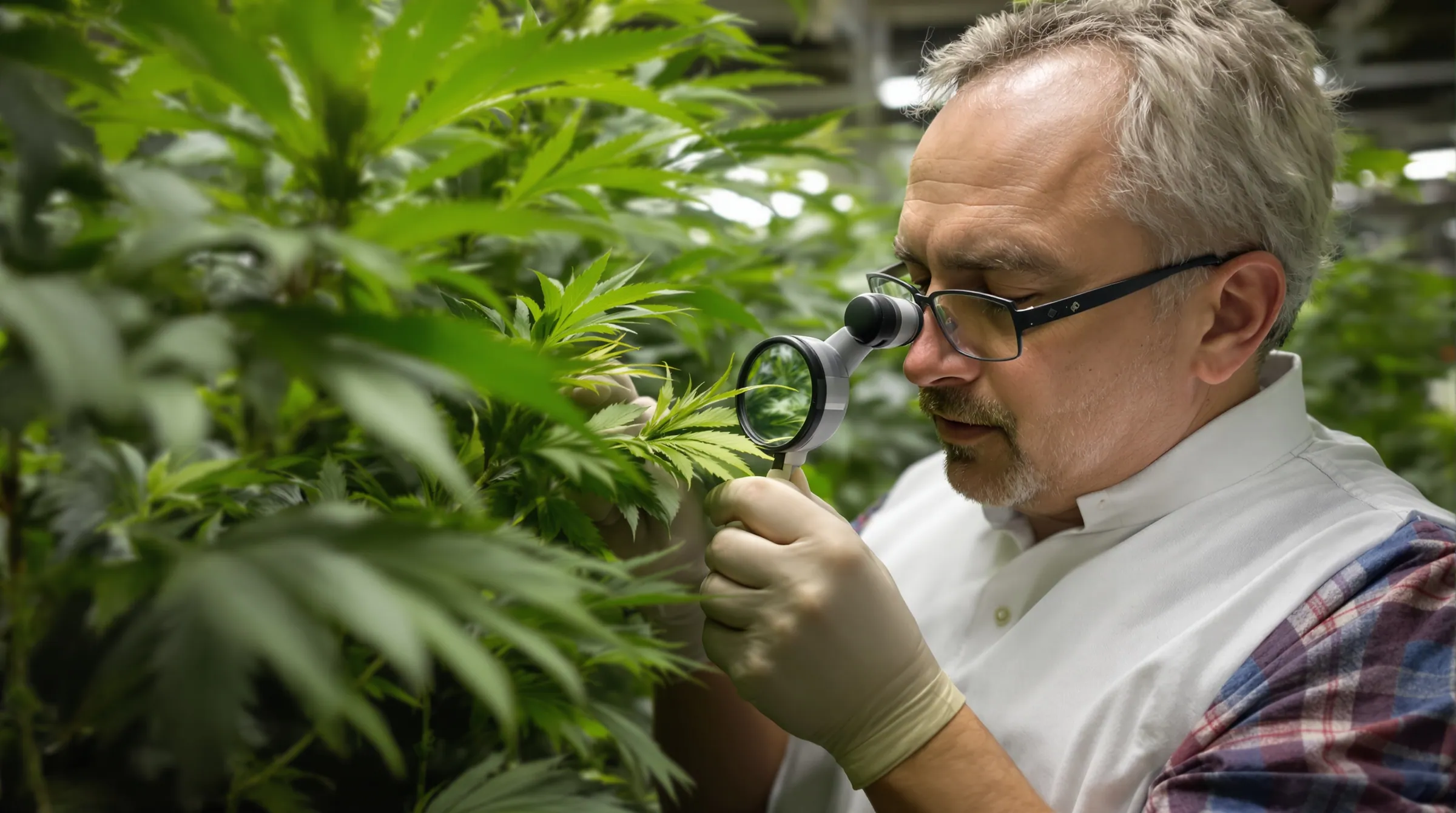
California cultivation lives or dies by the input list. One unapproved pesticide can fail a batch, shake an entire harvest, and put a license in front of CDPH. This credential trains the integrated-pest-management discipline that keeps a cultivation operation inside the approved list and the laboratory results on the right side of every COA.
The CDPR approved-cannabis-pesticide list is short. The prohibited list is long, and the list of "still showing up in catalog channels you might trust" is longer still. A single contaminated harvest costs a cultivator the wholesale value of that crop — plus regulatory exposure on top. Cultivation operators have stopped tolerating workers who can't read the input label, and started paying premium wages to ones who can.
A finished-flower batch fails on a residual pesticide CDPH didn't expect. CDPH pulls your IPM log. The log shows clean application records back to the last cycle, and the investigation pivots to the input supplier instead of your operation.
Mid-flower mites show up in the canopy. You triage with biological controls, hold the chemical option for last-resort, log every decision. The harvest closes on-spec without an emergency intervention.
A vendor sample shows up with a strong sales pitch. You check it against the approved list, find it's not, and the conversation ends before it becomes a problem.
A neighboring grower sprays near a shared property line and your crew worries about overspray onto the canopy. You know the re-entry interval, document the exposure window, and quarantine the affected rows so a contaminated harvest never reaches the distributor.
Cultivation managers as the primary audience; any lead cultivation worker with input-handling authority; compliance officers reviewing IPM logs in an operator audit. Required for CCOI-CM; valuable cross-credit for any CCOI-CO at a cultivation licensee.
IPM scenario assessments, input-list recognition exercises, application-record construction, and biological-control sequencing.
Cultivation operators that scale don't lose batches. The cultivation managers who can show a credentialed IPM record on day one of a job interview are the ones building the rooms at the operators that scale. Your COA history follows you in this industry; carrying CE-206 says you keep yours clean.
Built onCDFA cannabis cultivation framework · CDPR FIFRA labels and approved-list publication · CCR §8307 (cultivation pest management) · CDPH testing standards

Volatile-solvent cannabis extraction sits at the intersection of CDPH manufacturing rules, Cal/OSHA Process Safety Management, and the local fire authority's authority-having-jurisdiction. This credential makes you the worker who walks into a Type 7 facility, recognizes every engineering control by sight, and knows what each one exists to prevent.
Cannabis extraction has the highest single-event severity in the California regulated industry: a single botane release, an electrical spark in the wrong classification zone, and the consequences range from facility damage to criminal exposure. Cal/OSHA is auditing extraction operators with intensity that rivals any chemical manufacturer in California. The workers who carry CE-207 are the ones operators are willing to leave alone in a C1D1 room.
An alarm trips during a run. You execute the shutdown protocol in the right order, evacuate to the right assembly point, and the post-event review confirms the response was textbook.
An auditor wants to walk the extraction room. You explain the C1D1 boundary, the ventilation design, the PSM thresholds in plain language. The auditor moves on to documentation review.
Local AHJ shows up for the annual fire-code inspection. You walk them through the suppression system, the egress design, the storage cabinet ratings. Their report comes back with no findings.
A pallet of butane shows up and the new tech wants to stage it near the booth to save trips. You know the storage limits and separation distances cold, redirect it to the rated cabinet, and the facility never exceeds its permitted on-hand quantity.
Manufacturing leads at Type 6 (non-volatile) and especially Type 7 (volatile) facilities. Any operator in the extraction-area perimeter. Required for CCOI-ML at extraction facilities; recommended for compliance officers at Type 6/7 licensees.
Hazard-identification photo items, classification-zone recognition exercises, LFL/UFL scenario problems, PPE matching, and emergency-response sequencing. Proctored.
Extraction is the highest-paid technical role in California cannabis and the hardest to staff defensibly. Operators are paying premium wages plus retention bonuses for credentialed extraction leads. CE-207 is the credential that gets you in front of those operators, in those rooms, with the confidence that earns the trust the role requires.
Built onCDPH MCSB cannabis manufacturing regulations · Cal/OSHA Title 8 §5189 (Process Safety Management) · NFPA 70 / 30 / 30B · local fire code · CCR §40175 (CDPH extraction standards)

Every label on every package is a public document audited by every regulator and tested by every consumer attorney looking for the next case. This credential makes you the worker who reads a label the way CDPH reads it — and the way the lab failure report eventually reads it — before any of that becomes a problem.
Labeling violations are the most-cited CDPH finding category in California cannabis manufacturing, and unlike a lot of compliance failures, they're visible. A non-compliant label is photographed and pulled off shelves by enforcement letters and consumer-attorney complaints alike. Operators are now treating label sign-off as a credentialed responsibility — not just a packaging-line task — and the workers who carry CE-208 are the ones being elevated to that role.
Marketing sends a label proof for a new tincture. You catch a milligram-stated-without-percentage issue and a wrong universal-symbol size, route the corrections, and the SKU ships on time and on compliance.
The finished-good COA reads above the label's stated cannabinoid range. You stop the release, work the variance with the lab and the formulation lead, the right disposition lands and the wrong product doesn't reach distribution.
A lot needs to come off shelf. You execute the recall by chain of custody, by package tag, by retailer, with the documentation CDPH and distribution partners both need. The recall closes inside the regulatory window.
The packaging supplier's CR certification is up for renewal and a new component is about to run. You hold the line until the current certificate is on file, because shipping in non-certified packaging is the kind of finding that pulls an entire product line.
Manufacturing leads with label sign-off authority; distribution coordinators verifying retail-ready packaging; compliance officers reviewing label-and-COA-match audits. Required for CCOI-ML; recommended for CCOI-DC at any operator handling finished consumer product.
Label-audit photo items, deceptive-marketing recognition exercises, CR-testing documentation review, recall sequencing, and COA-label match verification.
Label sign-off is being elevated from a packaging-line task to a credentialed responsibility across California manufacturing. Workers who can carry this credential are the ones operators are promoting to label-approval authority — a role with material premium over the production-line baseline.
Built onB&P §26120 (packaging) · CCR §17404 (CDPH manufacturing labels) · 16 CFR 1700 (CR poison prevention) · ASTM D3475 · CDPH recall procedures

DCC inspectors arrive announced or unannounced, with broad statutory authority and a specific operational protocol. The licensee's response in the first fifteen minutes sets the tone for everything that follows. This credential is the compliance officer's playbook for owning those fifteen minutes.
DCC enforcement is in an active phase. Inspection cadence is up; surprise visits are routine; findings escalate to NOAs faster than they did two years ago. The compliance officer who can run the inspection from the licensee's side — calmly, by the book, with the right paperwork ready before it's requested — is the difference between a routine visit and a thirty-day exposure window.
Two inspectors arrive at 10am on a Tuesday. You greet, badge, escort, and the visit unfolds with every requested document ready. The exit conference produces no findings.
A 14-day records request lands the morning after. You produce the responsive set inside seven days, with index, in the format DCC wants, with the right cover letter. The matter closes without escalation.
One finding lands in the inspection report — a real one. You build the response inside the 30-day window, with cause analysis, remediation, CAPA, and a written acceptance of the finding. The case closes without a Notice of Allegation.
An inspector corners a new hire and starts asking questions in the back room. You step in calmly, take ownership of the walkthrough, and the visit returns to the prepared track without anyone volunteering a guess that becomes a finding.
Compliance officers (primary audience), designated responsible parties, and any operator-side professional who will own the first response to a DCC visit. Required for CCOI-CO and CCOI-DRP recertification.
Inspection-simulation exercises, records-request response drills, walkthrough sequencing, and findings-response narrative construction.
Compliance officers credentialed on DCC inspection protocol are the ones operators retain through every license review, every diligence cycle, every renewal. The credential moves with you across operators and license types; the work you do here compounds into the standing of every credential you ever earn at the CCOI-CO/DRP tier.
Built onB&P §26015 (inspection authority) · CCR §15040 (records retention) · DCC enforcement framework · OAH Administrative Procedure Act

When DCC issues a Notice of Allegation, the licensee has a defined window to respond — and the choices made inside that window shape the case posture for everything that follows. This credential is the strategic playbook for the appeals path through the Office of Administrative Hearings.
NOA volume in California cannabis is rising. The case-management discipline at DCC is improving; the calculation of penalties under §15043 is becoming more consistent; the OAH adjudication process is increasingly the deciding venue. Operators with a credentialed compliance officer who can navigate this path internally save the cost of bringing in counsel for every procedural step — and walk into negotiations from a position of preparation.
A Notice of Allegation hits the email Friday afternoon. You triage the assertions, identify the dispositive evidence in your records, and have a response strategy on the GM's desk by Monday.
DCC offers a stipulated settlement. You evaluate against the hearing path, advise the licensee on which serves them, and the choice is made from understanding rather than fear.
The hearing proceeds. You've prepared the evidence book, sequenced witnesses, briefed counsel on the procedural levers. The proposed decision goes the licensee's way; the agency adopts; the matter closes.
A decision lands that the licensee wants to challenge. You know the appeal window to the day, what must be filed first to preserve the right, and you calendar it immediately — so the option never quietly expires while everyone weighs it.
Compliance officers and designated responsible parties facing live enforcement matters or building the institutional readiness to handle them. Required for CCOI-CO and CCOI-DRP recertification; valuable cross-training for retained counsel on the licensee side.
NOA-reading exercises, response-strategy scenarios, OAH-procedural sequencing, penalty-calculation problems, and stipulated-settlement evaluation.
Cannabis-industry compliance officers credentialed to run an NOA defense internally are among the most-recruited professionals in the state. Operators are willing to pay above-market wages for the person who can keep counsel costs contained and case posture controlled. CE-302 puts you in that pool.
Built onCCR §15043 (penalties) · Government Code §11340 et seq. (Administrative Procedure Act, OAH) · DCC enforcement framework · California Civil Procedure

California's cannabis excise tax is the line item most often miscalculated, misreported, or missed entirely — and the one where CDTFA's audit posture is sharpest. This credential makes you the professional whose tax returns survive examination because they were built right the first time.
CDTFA cannabis audits are running with a frequency and depth that surprises operators each year. The cultivation tax sunset, the excise-rate changes, the periodic ARM markup adjustments — all of them create the trailing-audit exposure that's biting California operators today. The compliance officer or distributor coordinator who can run CDTFA reporting cleanly is the one operators can't afford to lose.
Excise reconciliation against METRC sale data ties to the dollar. You file on the due date, with the calculation worksheets attached, and the return is accepted without correspondence.
An audit notification arrives. You assemble the records library in three days, brief counsel, and the audit closes with no adjustment or a minimal one inside the year.
CDTFA publishes a markup-rate adjustment effective retroactively. You recalculate, re-file the affected periods, and the operator's exposure stays contained.
The scheduled excise-rate step under AB 564 takes effect mid-quarter. You update the POS rate on the right day, confirm the split across the boundary, and neither the customer receipts nor the return shows the wrong percentage.
Compliance officers reviewing tax filings, designated responsible parties signing them, distribution coordinators handling excise collection. Required for CCOI-CO, CCOI-DRP, and CCOI-DC.
Tax-calculation exercises across transaction types, return-form construction, audit-finding pattern recognition, and 280E intersection problems.
CDTFA-credentialed compliance staff are among the rarest hires in California cannabis. Operators paying market wage for a generalist will pay materially more for someone who can credentialed-handle the tax side — because the alternative is paying an outside firm every quarter.
Built onRevenue & Taxation Code §34010 et seq. (cannabis taxes) · CDTFA Publication 557 (cannabis tax guide) · CDTFA audit manual · IRC §280E
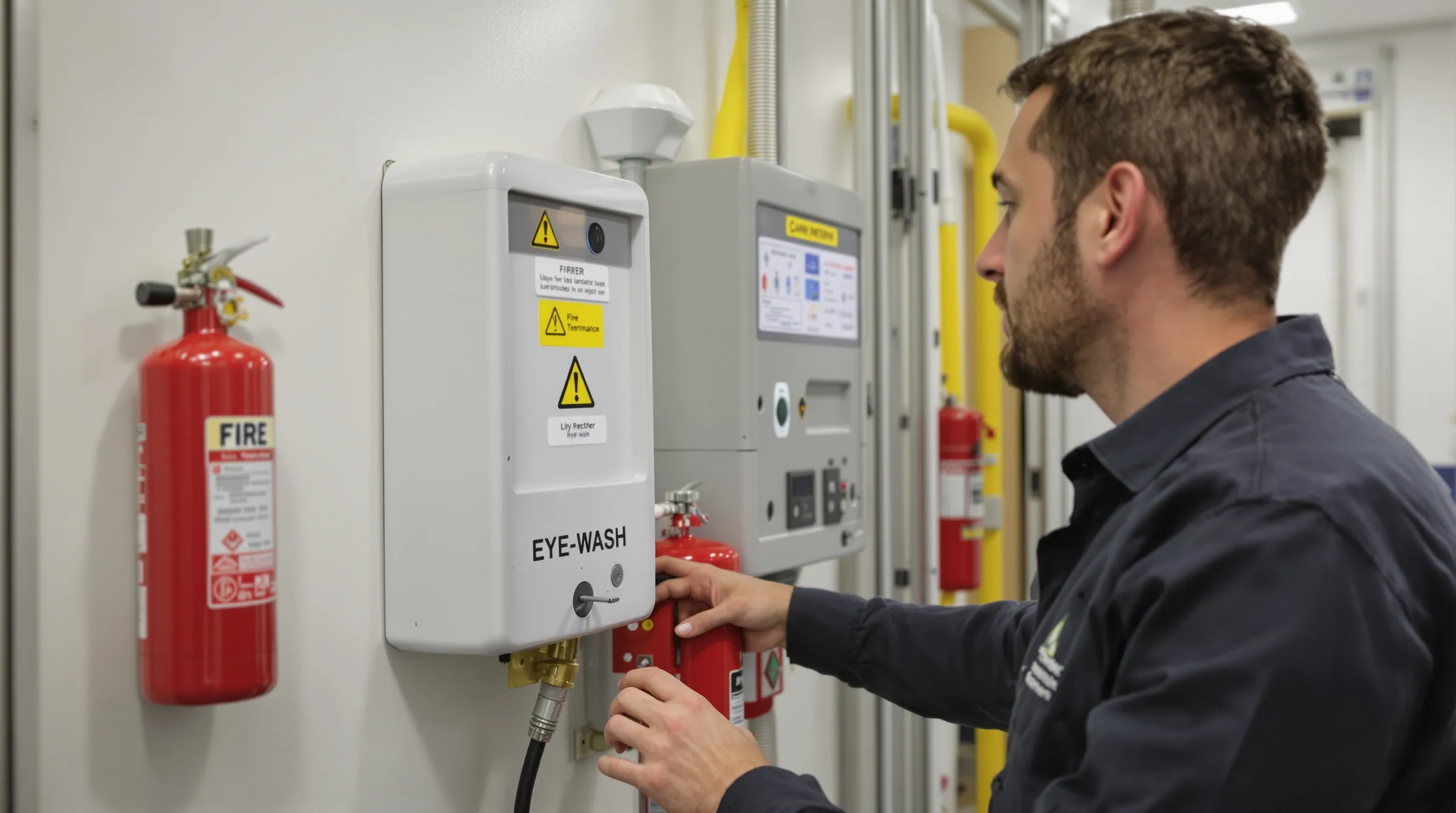
Cal/OSHA enforces workplace safety across every California employer, and cannabis carries industry-specific exposures — solvent handling, heavy lifting, repetitive trim work, vehicle operations, customer-facing security. This credential trains the program a cannabis operator is required to run, and the role a worker plays inside it.
Cal/OSHA inspections at California cannabis operators are up year-over-year, with workplace-violence prevention (SB-553) and HazCom audits leading the new wave. The IIPP is no longer a binder on the shelf — it's a working program inspectors expect to see in action, with named owners, employee participation evidence, and corrective-action records that close the loop.
An inspector arrives. You walk them through the IIPP, the chemical inventory, the WVPP, and the OSHA 300 log. The visit closes with no findings or a single low-severity finding closed inside the response window.
An injury occurs on the trim line. You triage the incident, document the cause, file with workers' comp, update the OSHA 300, build the CAPA. The operator's mod rate stays stable.
A contractor crew comes on-site for a facility build. You brief their safety lead, run the joint hazard analysis, and the project completes without a safety event or a multi-employer citation.
Temperatures spike in the greenhouse during summer harvest. You trigger the heat-illness procedures — water, shade, rest cadence — before anyone shows symptoms, and the day finishes with no incident and a documented prevention record.
Compliance officers, manufacturing leads, cultivation managers, and designated responsible parties. Required for CCOI-CO, CCOI-ML, CCOI-CM, and CCOI-DRP.
IIPP-construction exercises, exposure-to-standard mapping, HazCom inventory practice, SB-553 plan construction, and incident-response sequencing.
Cal/OSHA-credentialed compliance staff materially affect an operator's workers' comp mod rate, insurance position, and Cal/OSHA inspection cadence. The wage premium for someone who can own the safety program internally — rather than outsourcing it — is among the most defensible in the credential market.
Built onCal/OSHA Title 8 §3203 (IIPP) · §5194 (HazCom) · §3343 (workplace violence prevention) · SB-553 implementing regulations · Workers' Compensation Insurance Rating Bureau

California's dual-license system means a state license is necessary but never sufficient — every operator also lives under a Conditional Use Permit from the city or county. This credential trains the professional who keeps the local relationship intact, which is what keeps the state license intact.
Local CUP enforcement is where many California cannabis operators are losing their license — not at DCC. Buffer-zone complaints, hours-of-operation breaches, odor mitigation lapses, parking violations — any of them can become the basis for a CUP revocation that takes the state license with it. The compliance officer who manages the local jurisdiction relationship is the one keeping the operator open.
An odor complaint triggers a code enforcement visit. You produce the mitigation log, the maintenance schedule, the contractor records, and the complaint closes without escalation.
The five-year CUP renewal comes up. You assemble the compliance binder, brief the GM, prepare the public testimony. The hearing approves renewal without modification.
A new state regulation appears to conflict with a CUP condition. You analyze, document the conflict, escalate to counsel with a clean memo. The matter resolves without the operator running afoul of either authority.
The city council shortens permitted retail hours with sixty days' notice. You catch the agenda item early, adjust the schedule and signage ahead of the effective date, and the operator never sells a minute outside its local window.
Compliance officers and designated responsible parties. Required for CCOI-CO and CCOI-DRP. Particularly valuable for multi-site operators where each location lives under a different CUP framework.
CUP-reading exercises, enforcement-mapping problems, community-relations scenario response, and state-local conflict analysis.
The compliance officer who manages local jurisdiction well is the one who keeps the operator's license intact through the highest-frequency, lowest-attention-from-counsel enforcement surface in California cannabis. The wage premium for this skill is real because the alternative cost — CUP revocation, license loss, attorney expenditure — is real.
Built onLocal ordinances (jurisdiction-specific) · CCR §15010 (local approval required for state license) · B&P §26200 (local control retained) · California Land Use Law

Federal cannabis prohibition creates two compounding compliance problems — IRC §280E disallows ordinary business expense deductions, and banking access stays constrained. This credential makes you the professional who runs the financial-controls discipline that lets a cannabis operator survive both.
Schedule III rescheduling is on the horizon and the tax landscape under 280E may finally shift — or may not, depending on the cycle's timing. Either way, the operators that survive the interim are the ones with clean books, defensible 280E positions, and cash-management practices that satisfy FinCEN today. This credential is the financial-side equivalent of CCOI-DRP's operational expectations.
A 280E examination opens. You produce the COGS schedule, the chart of accounts, the supporting documentation. The adjustment lands inside the operator's reserve; no penalty.
The credit union conducts a periodic review of the operator's account. You produce the AML hygiene record, the cash-deposit documentation, the AML training matrix. The account stays open.
An acquirer's diligence team requests the financial-controls package. You produce the controls memo, the 280E position memo, the cash-management SOPs. The transaction proceeds without a re-trade on tax exposure.
A holiday weekend leaves the safe heavy and the armored pickup delayed. You know the structuring rules cold, route the full deposit intact rather than splitting it, and the Form 8300 and CTR posture stays clean.
Designated responsible parties as the primary audience; chief financial officers and controllers at cannabis operators; compliance officers reviewing the financial-controls posture. Required for CCOI-DRP.
COGS-allocation exercises, chart-of-accounts construction, banking-documentation review, cash-controls scenario response, and FinCEN SAR/CTR trigger analysis.
Cannabis CFOs and DRPs credentialed on 280E and FinCEN are the highest-compensated regulatory professionals in California cannabis. The wage band reflects the cost of NOT having someone in this seat. Carrying this credential opens the executive-track conversation.
Built onIRC §280E · FinCEN BSA/AML guidance · FinCEN 2014 cannabis enforcement guidance · federal cannabis financial-services framework · California Department of Financial Protection & Innovation guidance

Every CCOI designee signs the Code of Ethics at credential issuance. This module — required at each recertification — turns the signature into practice. The principles get walked through in scenario form, so the commitment carries through real workplace decisions instead of staying on paper.
The Code of Ethics is what makes a CCOI credential a profession rather than a course completion. An operator pulls up a designee's public-registry record and sees: examination passed, recertification current, ethics module current, standing good. The standing line is the line that gives the credential its weight — and the ethics module is what keeps the standing line current.
A manager directs you toward a record adjustment that would technically pass automated review but isn't true. You recognize the personal liability, refuse, document, escalate. The Code holds; your record stays clean.
You witness another designee participating in a clear violation. You know your reporting obligation under Principle X, you know the retaliation protections, you make the report.
A complaint reaches the Ethics & Disciplinary Committee about your conduct — mistaken. You know your rights, build your record, respond inside the window. Standing is restored; the complaint closes.
A grateful supplier offers you something well past a token thank-you. You recognize the conflict-of-interest line under the Code, decline and disclose it in writing, and your independence stays unquestionable when that vendor’s work later crosses your desk.
Every CCOI designee. This is the single required ethics CEU at each recertification, regardless of credential. The minimum-two-CEU ethics requirement of every 24-month recert window is satisfied here.
Scenario-based assessment across the ten principles, with case-study items on conflict resolution, reporting obligation, and disciplinary process.
You signal — on the public verification registry every hiring manager and regulator can see — that you carry an ethics credential current with the cycle. This is the silent professional credibility marker that compounds over a career. Recent issuance on the registry is a faster reference check than any phone call.
Built onCCOI Code of Ethics v1.0 · CCOI disciplinary procedure · Labor Code §1102.5 (whistleblower protections) · ANSI/ISO 17024 ethics-program standards

Diversion — the movement of regulated cannabis into the illicit channel — is the highest-priority enforcement focus at DCC and the gravest professional risk for the workers in its path. This credential trains the recognition signals, the internal reporting protocol, and the legal protections for those who report in good faith.
DCC has formed dedicated investigation teams for diversion cases. A worker who participates in diversion — even passively — faces personal exposure separate from the licensee's exposure. Workers who recognize early signals and report in good faith get the full force of California's whistleblower protections; workers who look away can be named in the eventual action. This credential is the professional and personal safeguard.
You notice consistent end-of-month adjustments that don't match the activity logs. You recognize the pattern, document, report internally to the compliance officer. The investigation concludes before DCC ever opens a file.
A coworker invites you into a side-channel deal. You decline, document, report. Whistleblower protections cover you; the coworker doesn't.
A vendor offers terms that don't fit the licensed channel. You recognize the structure, refuse the engagement, route the concern to compliance. The operator's exposure stays contained.
Surveillance and access logs show an unscheduled after-hours entry near the vault. You recognize the anomaly, preserve the footage, and report it the same shift — the loss is stopped before product ever leaves the building.
Every CCOI designee. Diversion can surface in any role, at any operator, at any time. The credential equips you to handle it correctly — for yourself and for the operator.
Pattern-recognition items across METRC, vendor, and behavioral signals; reporting-path sequencing; whistleblower-protection scenarios.
You signal that you carry the credential that protects you in the worst-case scenario at a cannabis operator. Hiring managers, compliance officers, and regulators all recognize this credential as the marker of someone who won't be caught up in someone else's enforcement matter — and who will protect the operator's exposure proactively.
Built onB&P §26052 (commercial activity outside license) · Labor Code §1102.5 (whistleblower) · CCOI Code of Ethics §III · DCC diversion enforcement framework

California's cannabis equity programs and the state's broader anti-discrimination framework converge on a single operational expectation: every customer, every coworker, every applicant is treated with equal dignity in fact and in record. This credential covers the legal floor and the professional ceiling for that expectation.
The Civil Rights Department (formerly DFEH) is the most active anti-discrimination enforcement body in the country, and cannabis operators sit squarely in its scope. Equity-program-priority license holders carry an additional set of stakeholder obligations operators are still learning to honor. The professional who can navigate the legal floor and the equity-program ceiling is the one operators trust with customer-facing leadership.
A customer files a complaint alleging discriminatory treatment. You document the encounter, the operator's program, the training matrix, the response. The complaint closes without a CRD escalation.
The operator engages an equity-program vendor. You understand the relationship dynamics, support the equity-priority side without overreach, and the partnership runs to mutual benefit.
A pattern of micro-conduct builds inside a department. You recognize it before it becomes a complaint, address it through documented channels, and the climate corrects.
A customer with a disability needs an accommodation at the point of sale. You handle it discreetly and correctly under the operator's equal-access process, and the experience reflects the dignity every customer is owed.
Every CCOI designee. Customer-facing operators, HR-adjacent staff, and supervisors particularly benefit, but the legal floor extends to every California employee.
FEHA-application scenarios, reasonable-accommodation problems, equity-program recognition exercises, microaggression-response items, and good-faith documentation construction.
You signal you carry the credential that operators look for in their floor leads, their shift managers, and their customer-experience owners. The career mobility for credentialed customer-facing leadership in cannabis tracks consistently above the floor baseline; CE-403 is part of the package that gets you there.
Built onGovernment Code §12940 (FEHA) · 42 USC §2000e (Title VII) · 42 USC §12101 (ADA) · B&P §26050.2 (cannabis equity) · California Civil Rights Department guidance

California cannabis regulations evolve every year — new DCC emergency regs, CDPH manufacturing rule revisions, CDTFA tax-rate changes, Cal/OSHA standard updates, federal moves on rescheduling and banking. This annual update is the credential that keeps your other credentials current with reality.
The 24-month recertification window means a designee's base credential reflects the regulatory state of their last exam, not the current one. CE-404 closes that gap each year — pulling the year's material changes into a refreshed working baseline. The professionals who maintain CE-404 currency are the ones operators don't worry about being out of step on rule changes.
DCC adopts an emergency rule mid-year. You catch it in real time, brief the operator, build the implementation plan inside the 30-day window.
A federal rescheduling decision shifts the 280E posture. You assess implications, brief the CFO, position the operator to act when the regulatory window opens.
Cal/OSHA finalizes a new cannabis-industry standard. You read the official text, map exposures, update the IIPP, and the operator's posture stays current with the standard's adoption date.
The city amends its cannabis ordinance and CUP conditions mid-cycle. You catch the change, reconcile it against the operator's local permit, and update the SOPs before the next jurisdiction inspection.
Every CCOI designee. Strongly recommended annually even when not at recertification window — for compliance officers, DRPs, and managers, an annual refresh is the working norm.
Year-specific exam refreshed each January with prior-year changes. Items cover DCC, CDPH, CDTFA, Cal/OSHA, federal, and local jurisdiction shifts.
The CCOI verification registry shows a designee's CE-404 status as of the most recent calendar year. Operators and counsel both look for the current year on your record — because they know the year's regulatory changes are the most consequential thing to be current on. CE-404 is the credential that keeps every other credential alive.
Built onAll California cannabis regulatory frameworks (DCC, CDPH, CDTFA, Cal/OSHA) · federal rescheduling rulemaking · IRS §280E guidance · California APA
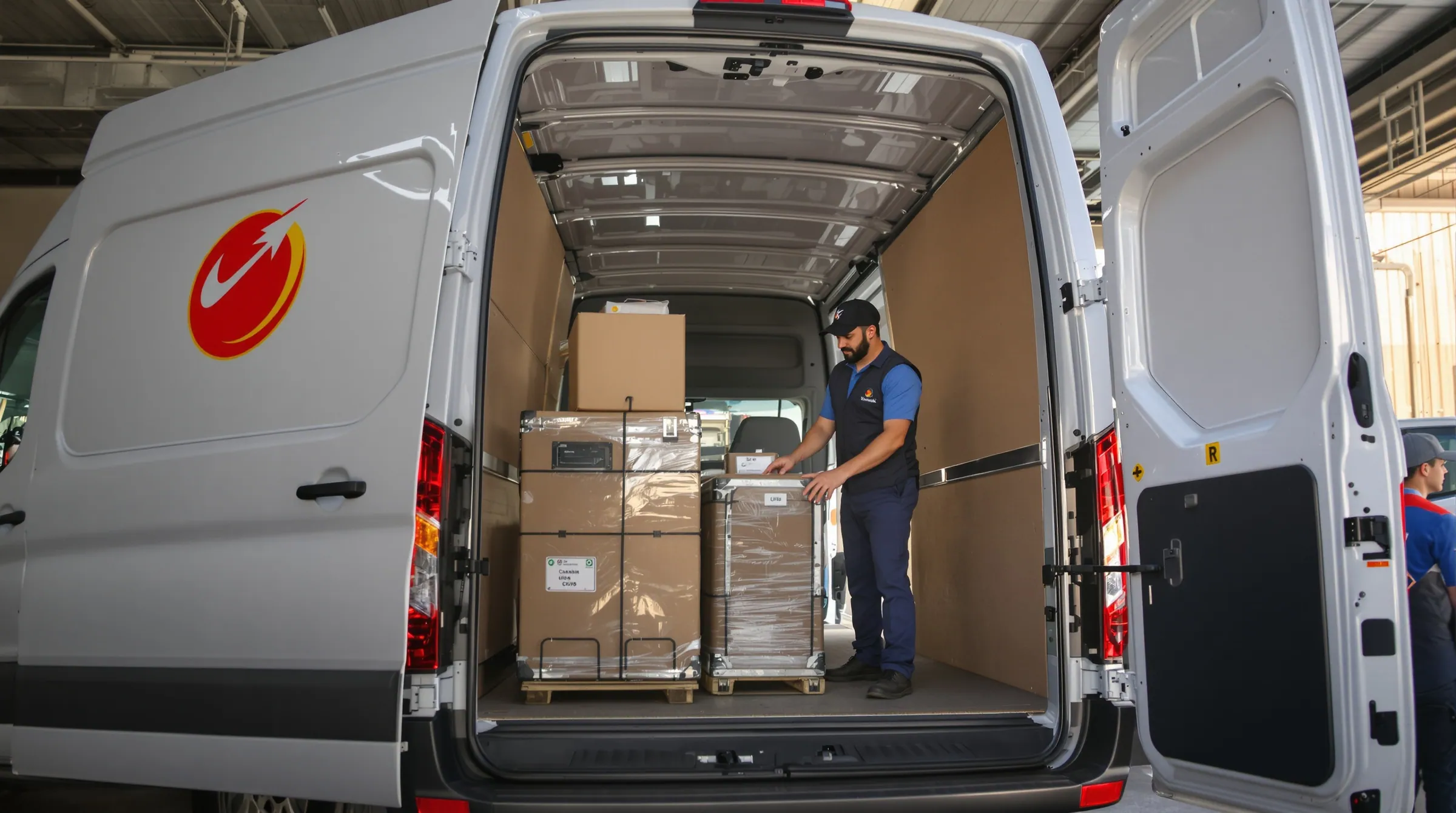
California cannabis delivery is regulated activity, not a courier job. The driver who carries a manifest into the world becomes the operator's face at the doorstep, the audit trail in motion, and the first line of compliance when CHP or a code enforcer pulls them over. CE-150 prepares the credentialed delivery driver for all of it.
Anchor module for CCOI-DD. Recommended pairing with CE-201 (METRC Fundamentals) and CE-204 (Manifest Construction).
Built onB&P §26090 (delivery) · CCR §15402 (delivery operations) · DCC roadside inspection framework

Trim labor moves more pounds of California cannabis than any other floor role, and it does so under Cal/OSHA's eye, METRC's weight-tracking discipline, and a CDFA-set input regime. CE-151 trains the trimmer who knows where every gram goes and why.
Anchor module for CCOI-TR. Recommended pairing with CE-201 (METRC Fundamentals).
Built onCal/OSHA Title 8 §3203, §5110 · CDFA cultivation framework · DCC track-and-trace

The cultivation technician is the worker who keeps a grow alive day to day — watering, feeding, defoliating, transplanting, scouting, tracking. CE-152 trains the operational rhythm that gets a new tech to credible production speed.
Anchor module for CCOI-CT. Foundation for advancement to CCOI-CM and CCOI-HG.
Built onCCR §8307 (cultivation) · CDFA cannabis cultivation framework · Cal/OSHA Title 8

Every consumer-facing finished cannabis product passes through a packaging line. The technician on that line is the last operator-side discipline between an off-spec label and a CDPH enforcement letter. CE-153 trains the floor-level discipline that catches problems before they leave the building.
Anchor module for CCOI-PT. Foundation for advancement to CCOI-ML and CCOI-PM.
Built onB&P §26120 · CCR §17404 (CDPH labels) · 16 CFR 1700 · ASTM D3475
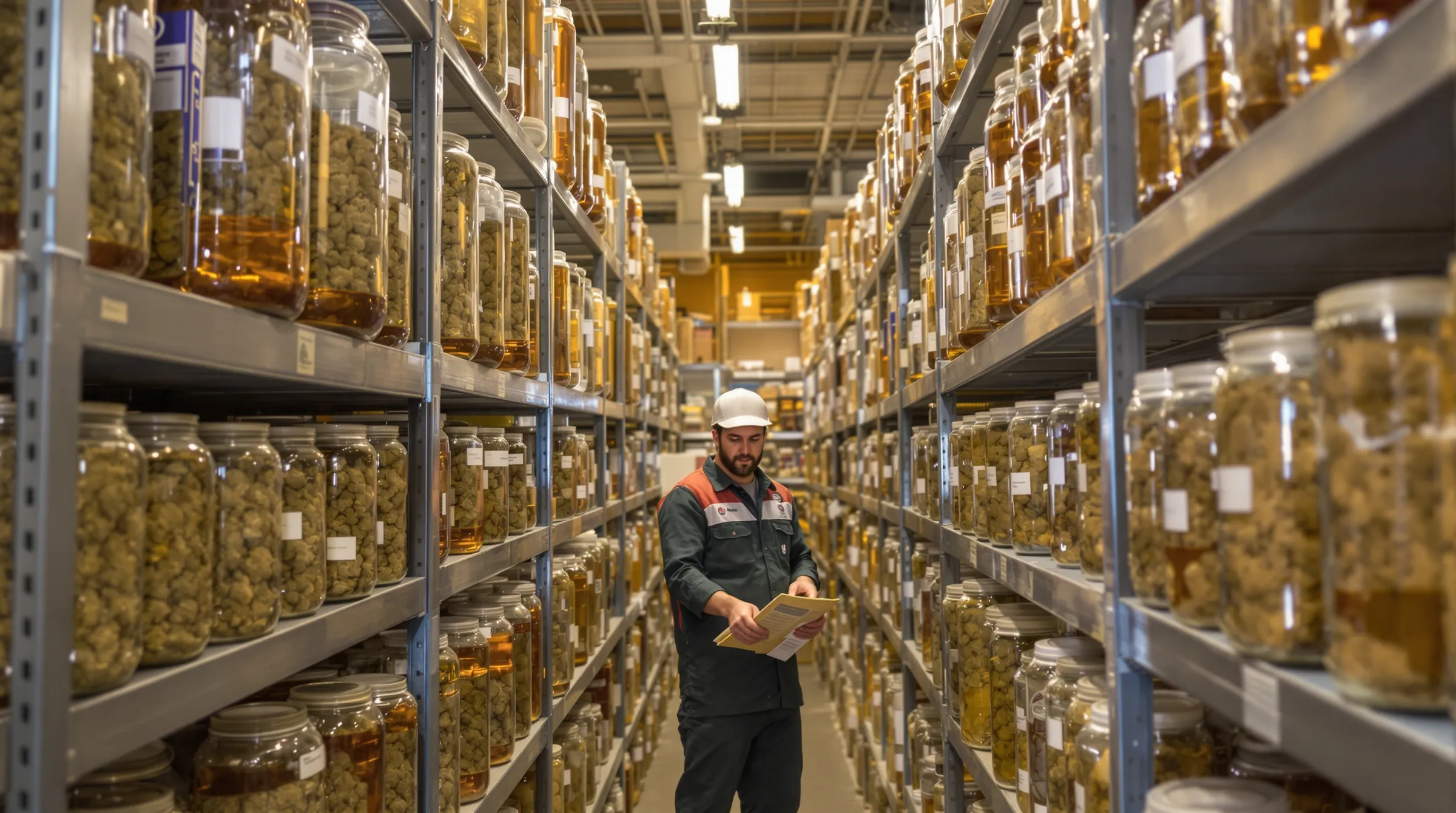
The warehouse and vault are where distribution and inventory meet — receiving lines come in, manifests stage for outbound, quarantine and hold runs through the same doors. CE-154 trains the technician who keeps that flow honest.
Anchor module for CCOI-WT. Foundation for advancement to CCOI-IC, CCOI-DC, and CCOI-WM.
Built onCCR §15050 (inventory) · CCR §15311 (transport) · Cal/OSHA Title 8 warehouse standards

A microbusiness consolidates three of cultivation, manufacturing, distribution, and retail under one license — and the operator who runs it has to understand each one's rules, the boundary conditions where they intersect, and the consolidated audit posture the DCC brings to that operator.
Anchor module for CCOI-MB. Designed to consolidate the cross-license content from CE-201, CE-202, CE-205, and CE-303.
Built onMAUCRSA microbusiness framework · DCC consolidated-operator guidance · CDTFA microbusiness tax treatment
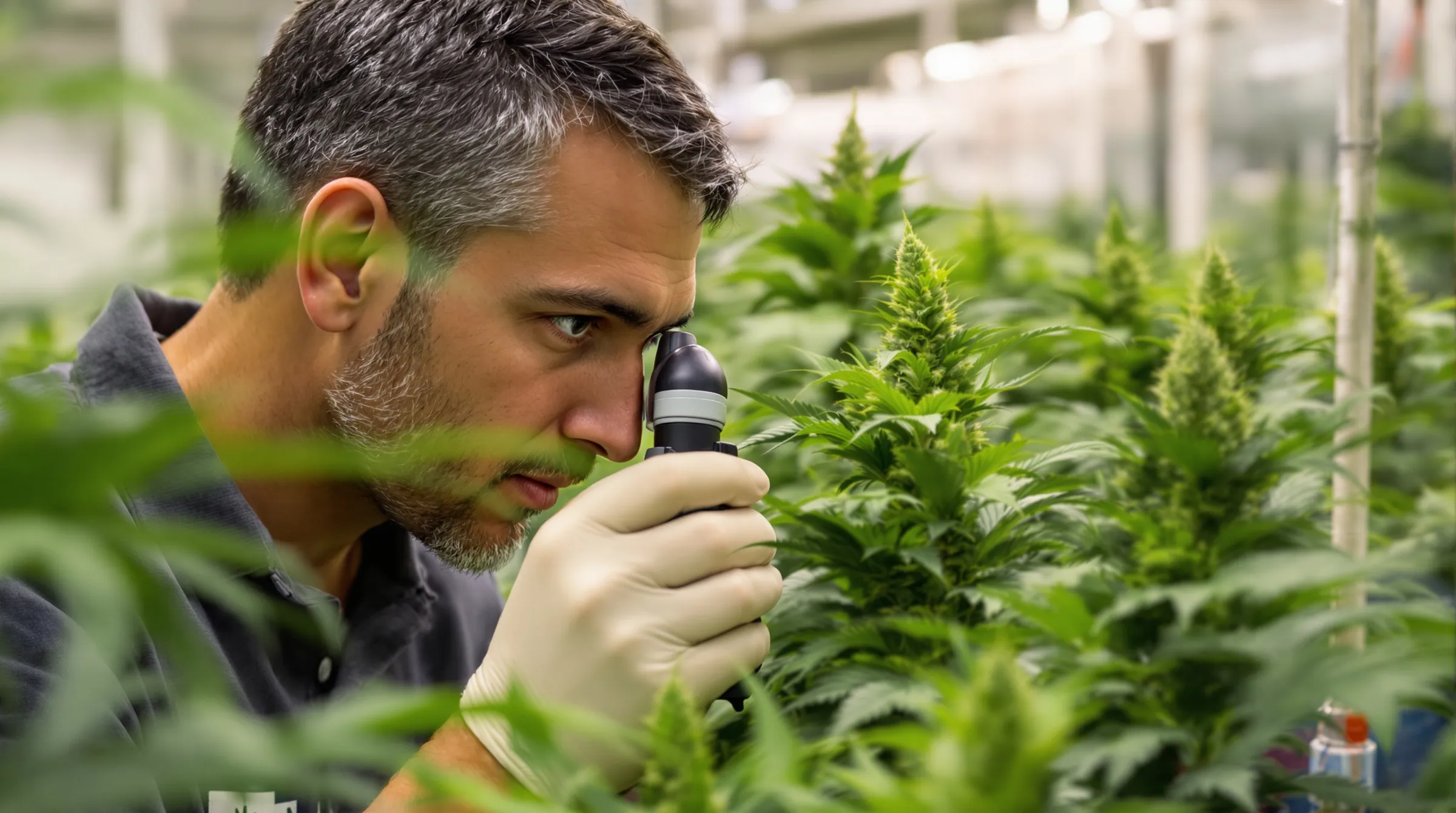
The CCOI-IPM specialist anchors recertification here. Goes deeper than CE-206's cultivation-side IPM into method validation, pathogen identification, supplier vetting, and the COA-failure forensic workflow.
Anchor module for CCOI-IPM. Builds on CE-206 (Cultivation IPM & Regulated Inputs).
Built onCDFA cannabis cultivation framework · CDPR FIFRA labels · CDPH testing standards

The CCOI-EX specialist's recertification anchor. Goes deeper than CE-207's safety baseline into engineering controls design, PSM thresholds, fire AHJ coordination, and the response-protocol drills every Type 7 facility runs.
Anchor module for CCOI-EX. Builds on CE-207 (Extraction Safety & Engineering Controls).
Built onCDPH MCSB regulations · Cal/OSHA Title 8 §5189 · NFPA 70 / 30 / 30B · local fire code

The CCOI-QA specialist holds release authority on every batch their employer ships. CE-503 anchors the recertification cycle with depth into testing methodology, retest workflow, recall protocol, and the documentation that survives CDPH examination.
Anchor module for CCOI-QA. Builds on CE-208 (Packaging, Labeling & CR Compliance).
Built onCCR §17404 · CDPH testing thresholds · ISO 17025 · CDPH recall procedures
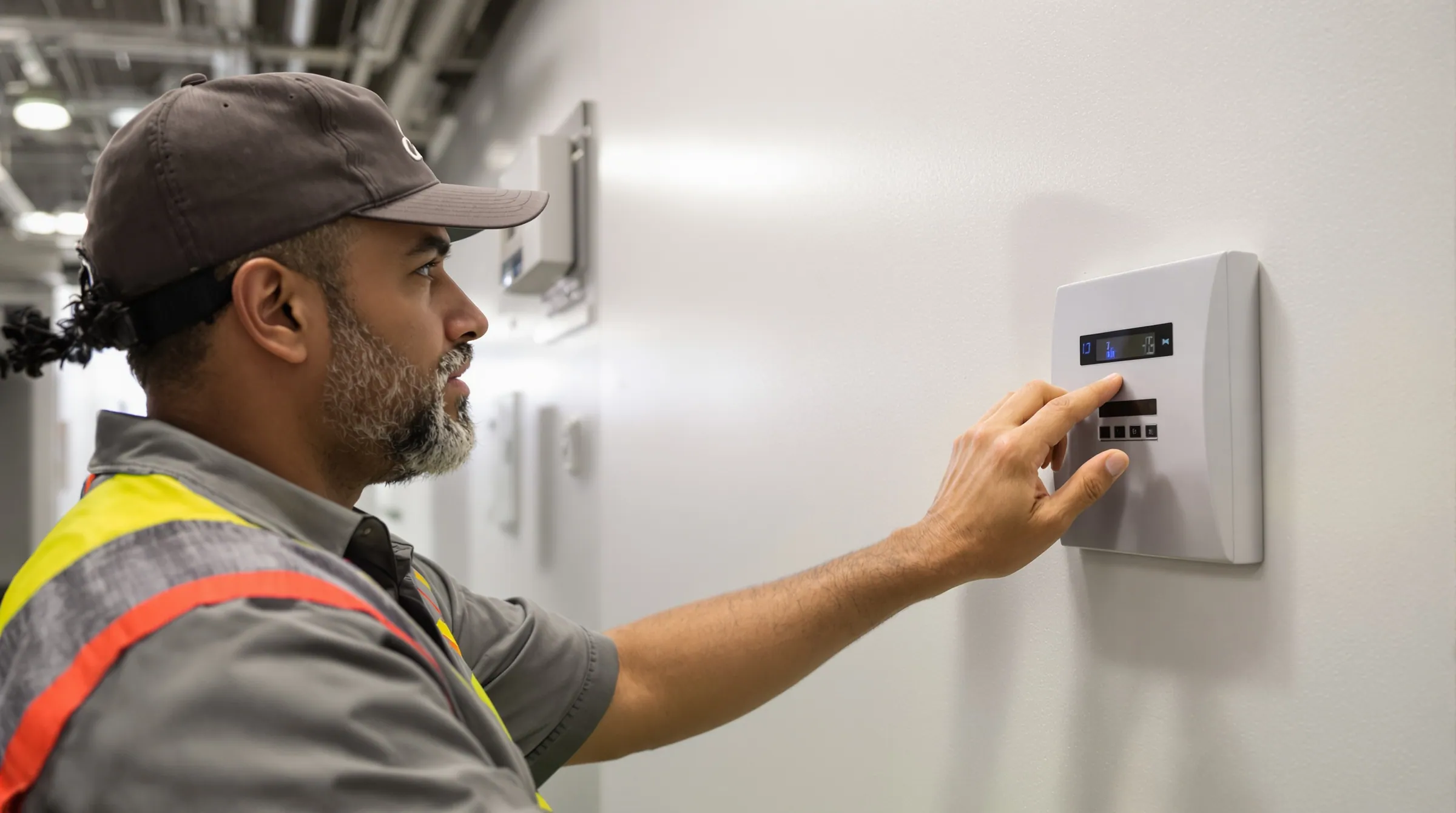
The CCOI-SE designation goes beyond DCC's premises baseline into the Cal/OSHA workplace-violence program, diversion forensic recognition, and the law-enforcement coordination practice that holds an operator's exposure low when something goes wrong.
Anchor module for CCOI-SE. Cross-applies to CCOI-CO and CCOI-DRP at security-heavy operators.
Built onCCR §15044-15046 · Cal/OSHA Title 8 §3343 (SB-553) · BSIS framework

The CCOI-HR specialist runs people operations at the intersection of California employment law, federal Schedule I status, equity-program dynamics, and workforce credentialing. CE-505 anchors the recertification cycle for that role.
Anchor module for CCOI-HR. Recommended pairing with CE-304 (Cal/OSHA safety) and CE-403 (Equity).
Built onGovernment Code §12940 · AB-2188 · SB-553 · California Civil Rights Department guidance

Operators running CCOI training in-house need at least one credentialed educator to deliver, assess, and document. CE-506 is the methodology refresh for that designee — how CCOI examinations are built, how candidates are prepared, and how the integrity of the credential is maintained at the operator level.
Anchor module for CCOI-ED. Required for any designee delivering in-house CCOI training.
Built onCCOI examination methodology · CCOI Code of Ethics §VII · ANSI/ISO 17024 educator standards

The CCOI-EQ specialist runs the operator's equity-program interface — priority-licensee qualification, partner agreements, equity-grant administration, community-impact reporting. CE-507 anchors that role's recertification.
Anchor module for CCOI-EQ. Builds on CE-403 (Equity, Equal Treatment & Customer Dignity).
Built onB&P §26050.2 · local jurisdiction equity ordinances · CCOI Code §IV

The CCOI-FN specialist runs cannabis finance at the operating-team level. CE-508 anchors the recertification cycle with depth into 280E, chart-of-accounts design, banking access, and the audit posture every cannabis CFO needs in their corner.
Anchor module for CCOI-FN. Builds on CE-306 (280E, Banking & Cash Compliance).
Built onIRC §280E · FinCEN BSA/AML · California DFPI guidance

Cannabis marketing in California is regulated speech, audience-verified, channel-restricted, and locally-overlaid. CE-509 anchors the CCOI-MK specialist's recertification with the depth that prevents enforcement letters from arriving in the wake of a campaign launch.
Anchor module for CCOI-MK. Cross-applies to CCOI-DM and CCOI-CCO at marketing-heavy operators.
Built onB&P §26151-26155 · DCC advertising guidance · Lanham Act framework
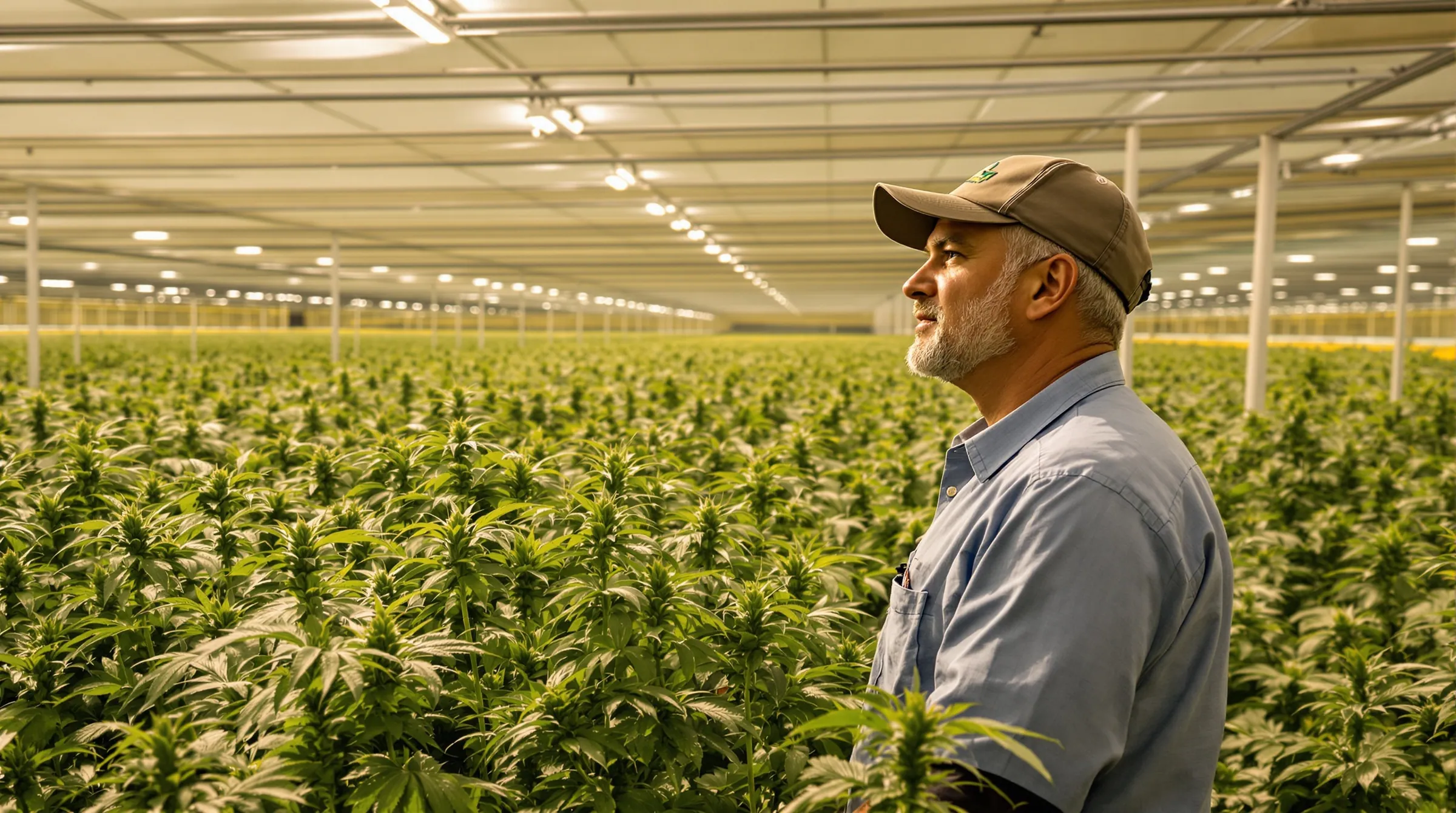
The head grower runs multiple rooms or sites, owns yield economics, manages genetic libraries, and answers to ownership and finance on every cycle. CE-601 anchors the CCOI-HG recertification with the senior-cultivation practice the role demands.
Anchor module for CCOI-HG. Builds on CE-206 (Cultivation IPM) and CE-152 (Cultivation Daily Practice).
Built onCDFA cannabis cultivation framework · CCR §8307 · senior-grower industry best practice

The dispensary GM owns the floor, the P&L, the team, and the regulator relationship. CE-602 anchors the CCOI-DM recertification at the depth the role requires.
Anchor module for CCOI-DM. Builds on CCOI-BUD foundation and CE-203 (Age Verification).
Built onCCR §15400-15410 · CDTFA cannabis retail · local jurisdiction frameworks

The production manager runs manufacturing operations end-to-end — extraction lines, formulation, packaging, batch records, recall posture, CDPH relationship. CE-603 anchors the CCOI-PM recertification.
Anchor module for CCOI-PM. Builds on CCOI-ML foundation and CE-207, CE-208.
Built onCDPH MCSB regulations · CCR §17404 · Cal/OSHA Title 8 §5189

The warehouse manager runs the distribution facility — pickers, drivers, receivers, the manifest schedule, the carrier relationships, the regulatory documentation. CE-604 anchors the CCOI-WM recertification at the depth the role demands.
Anchor module for CCOI-WM. Builds on CCOI-DC foundation and CE-204, CE-205.
Built onCCR §15050 · CCR §15311-15313 · CDTFA §34010-19

Type 8 cannabis testing labs operate under their own regulatory regime: CDPH licensing, ISO 17025 method validation, proficiency testing, accreditation maintenance. CE-605 anchors the CCOI-LD recertification at the depth a lab director's signature requires.
Anchor module for CCOI-LD. Cross-applies to CCOI-QA at lab-side employers.
Built onISO/IEC 17025 · CDPH Type 8 framework · cannabis-specific PT programs

A multi-license, multi-site CCO runs compliance as a program. CE-606 anchors the CCOI-CCO recertification at the strategic-leadership depth the role requires.
Anchor module for CCOI-CCO. Builds on CCOI-CO foundation and CE-301, CE-302.
Built onAll California cannabis regulatory frameworks · OAH Administrative Procedure Act · cannabis-industry compliance leadership

The Designated Responsible Party's name appears on the license. CE-701 is the annual executive-practice anchor for the CCOI-DRP designation — the highest-stakes credential in the catalog and the one operators most often run into trouble for not maintaining current.
Anchor module for CCOI-DRP. Required at each 24-month recertification cycle.
Built onAll California cannabis regulatory frameworks · federal cannabis policy · corporate-governance best practice

The Cannabis CFO sits at the intersection of 280E disallowance, FinCEN reporting, CDTFA assessment, GAAP-vs-280E reconciliation, and the diligence book every investor and acquirer wants to read clean. CE-702 anchors the CCOI-CFO recertification at executive depth.
Anchor module for CCOI-CFO. Required at each 24-month recertification cycle.
Built onIRC §280E · FinCEN BSA/AML · cannabis-industry financial reporting best practice
